How much should we budget for SEO?
The SEO cost depends on your website, competition and the work included. When comparing an SEO consultant or SEO agency, ask who will research, write and implement each change, how monthly reporting works and which external fees are separate. We review those inputs before quoting a scope; a keyword count alone is not a useful price comparison.
How long does it take to see a change?
The first milestone is a verified website improvement. For example, an important page becomes accessible or a service page answers a missing question. Search visibility and enquiries need a longer review against the starting baseline. Timing depends on the problem, implementation pace, competition and how search engines process the changes. We explain which outcomes can be checked immediately, which require observation, and what evidence will determine the next priority.
Can you guarantee first-page rankings?
No agency controls Google’s ranking decisions or the work a competitor may do. A fixed first-page promise can distract from the suitability of the searches and the quality of the enquiry journey. We agree the work, reporting and responsibilities your business can evaluate. Relevant rankings are considered alongside the pages receiving visits and the enquiries you can identify. A position improvement is useful evidence, but it is not automatically a qualified lead or a sale.
Who will work on our website?
Deep Bhardwaj oversees the strategy, with our team contributing technical, content and authority work according to the agreed scope. Before work starts, we agree who prepares recommendations and checks business information. We also identify who can approve publication or development. Your team may own some of those responsibilities. The proposal and review process should make that ownership clear, so an unanswered question or a developer dependency does not quietly become an unexplained delay.
Can you work with our developer or content team?
Yes. We can work with an existing developer, writer or subject expert rather than replace a team that already understands the business. Recommendations need affected pages, a reason for the change and a way to check completion. A content brief should identify the customer question and the information your expert must supply. We distinguish advice, drafting and implementation in the scope, then review the actual output so a handover is not mistaken for a finished change.
Do you help with local SEO and Google Business Profile?
Yes. We connect accurate Business Profile information with useful service pages and a clear mobile contact journey. The review can cover your profile categories, services, hours and website links. We also check relevant listings for inconsistent contact details. Your actual business presence and service area determine the plan. Separate location pages need meaningful differences in service or availability; changing a place name is not enough. Local ranking observations also need the query and observation location recorded for context.
What happens to existing rankings during a redesign?
A redesign can affect visibility when useful URLs, content or internal links disappear. Changes to indexing and canonical settings can also affect which pages search engines choose. We start with a URL and content inventory, preserve valuable destinations and map necessary changes to equivalent pages. Staging checks cover response codes, metadata, mobile layouts, forms and original articles. After launch, the important URLs and search data need another review. This reduces avoidable migration mistakes without promising that every ranking will remain unchanged.
What do you need for the first conversation?
Share the website address, the services or products you want to grow, the customers you can serve and the problem you want to solve. It helps to know whether you need recommendations, implementation or support for an existing team. We can then identify a sensible starting review and any missing information. If deeper analysis needs Search Console or analytics access, we explain the specific access required and its purpose before asking your team to provide it.
How does AI SEO fit into our wider strategy?+
AI SEO combines useful content development with the technical and editorial standards your website already needs. Artificial intelligence and machine learning can support research, but a person must check facts, business claims and tone. We use Frase for content research and topical coverage, then review suggestions against your audience. AI SEO is part of the wider digital marketing plan, with no promise of a specific AI citation.
Will traditional SEO still matter?+
Yes. Google SEO and AI search both depend on accessible information that answers a real need. Keyword research, on-page SEO, a technical audit and relevant off-page SEO remain useful parts of the plan. Search engine rankings can change after algorithm updates, so Google Search Console and enquiry data help us evaluate the result of the work. We keep a record of the pages changed, so the review has an implementation history.
What do you check before publishing AI-assisted content?+
Content creation begins with subject expertise and the visitor’s decision. We check factual claims, citations, original context, headings and internal links. On-page optimization includes useful meta tags. Schema markup must reflect visible information. We avoid keyword stuffing, invented experience and unsupported claims about rich snippets or rich answers. A named reviewer and a record of supporting sources make later updates easier to check.
How do you connect SEO with other marketing channels?+
Search marketing works best when each channel has a clear role. Content marketing supports research and comparison. Google Ads and other PPC campaigns can reach selected searches. Social media marketing introduces an offer to a relevant audience. Our SEO strategy connects these journeys with relevant landing pages. We scope advertising spend and other marketing services separately. Each landing page needs a clear purpose and a way to measure the intended response.








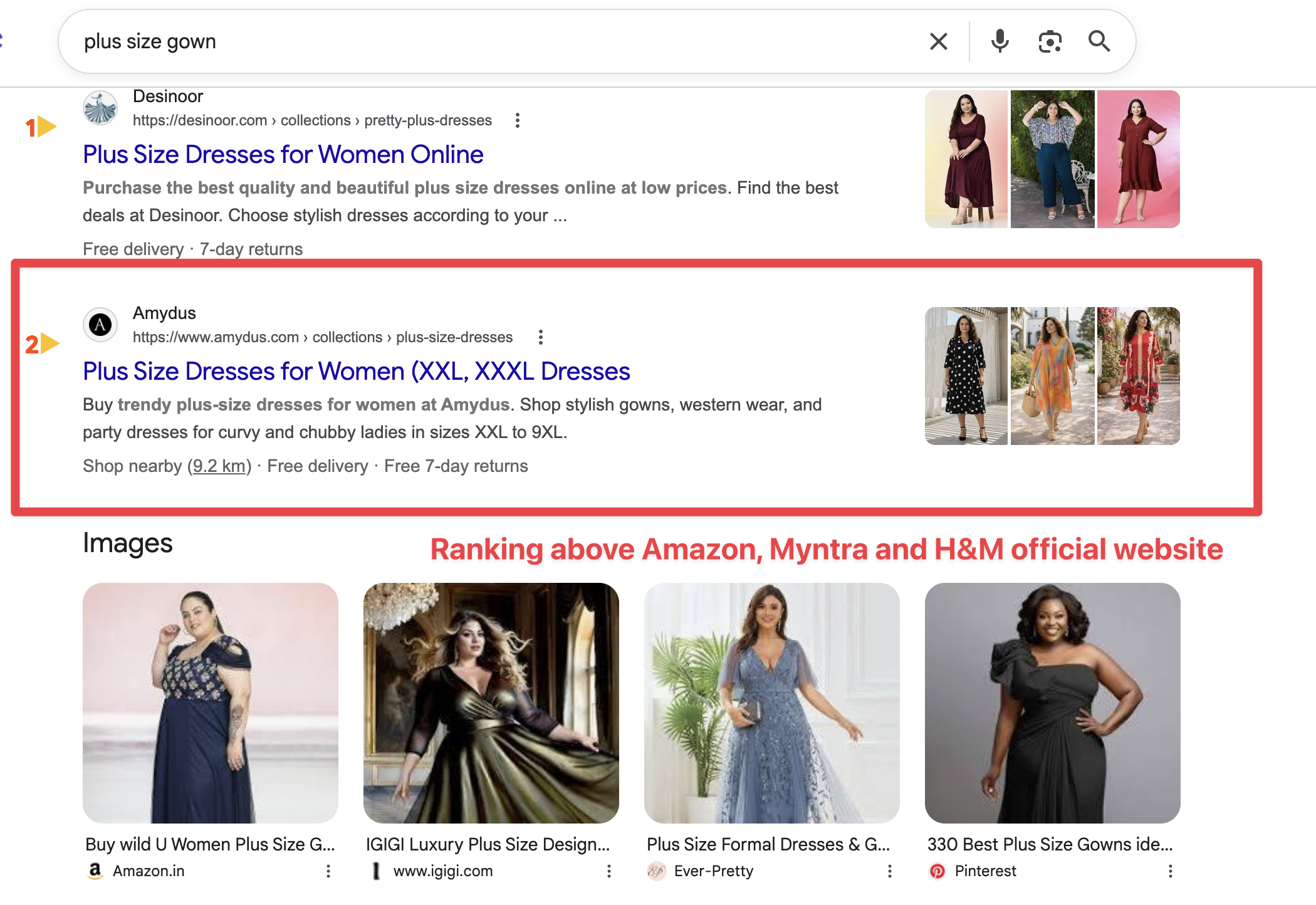 PORTFOLIO ARCHIVE
 Fashion & e-commerce